The Case for Staying Put
Slow travel means staying in one place long enough to be bored there. A short case for choosing a base and counting the month, not the night.
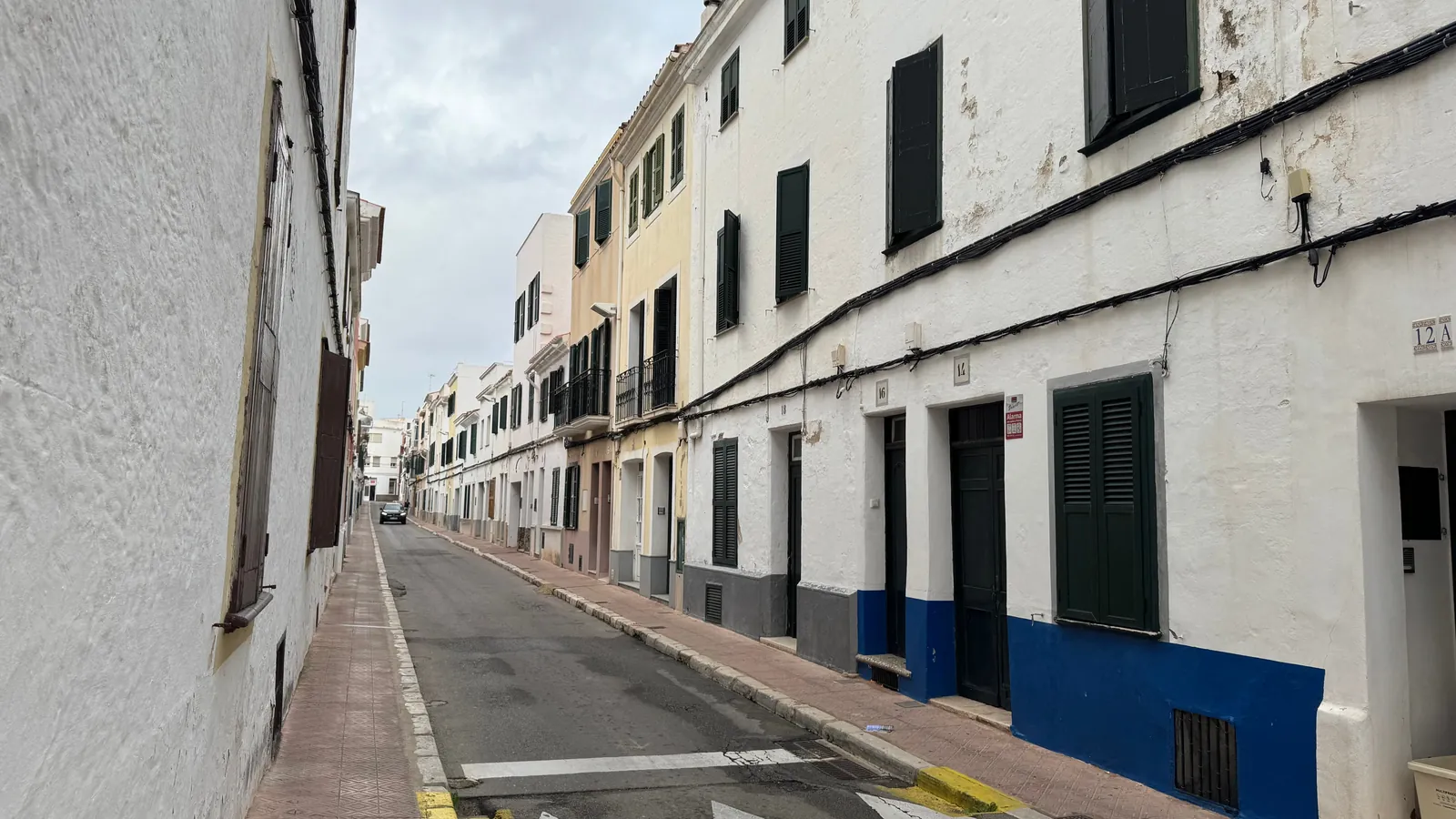
I have come to think that the most useful thing a traveller can do is stay somewhere long enough to be a little bored. Boredom is not the failure of a trip. It is the point at which the place stops performing for you and you start to live in it, and that is where slow travel actually begins.
Most travel advice assumes the opposite. It is built on lists: what to see in three days, which five towns to string together, how to fit a region into a fortnight. The unit is the stop. A long stay asks for a different unit. You count the month, not the night, and you choose a base, not a route.
The question changes
On a short trip the question is what should I see? After a week or so in one place it quietly becomes how do I want my days to feel? That is a harder question, and a more honest one. It has no answer on a list of attractions.
It sends you to smaller matters. Where does the morning begin? Is there a table you can work at, and is the connection good enough for a call? Is the street quiet at ten at night? How far is the pharmacy, the market, the stop for the bus into town? None of this is glamorous. All of it decides whether a month feels like a life or like an extended hotel stay.
Better to give those questions a week of attention before arriving than a list of sights.
What repetition gives you
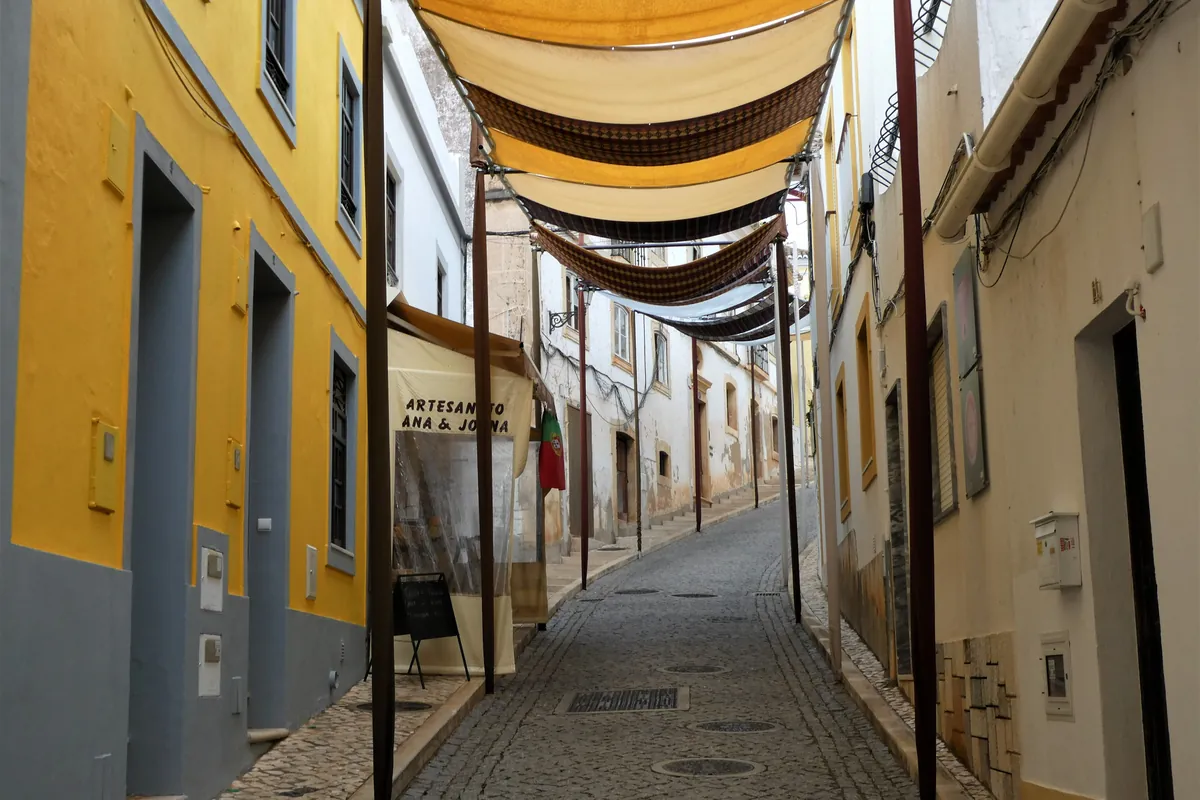
There is a case, which I find persuasive, that repetition is where the real pleasure of a place sits. Walking the same street every day teaches you things a first visit cannot: which shutters open late, which corner is in shade at four, how the light changes across the same wall from one week to the next. A place seen once is a postcard. A place seen thirty times starts to have a grain.
Routine gets a bad name in travel writing, as if it were the thing you left home to escape. I think it is closer to the opposite. A small, steady routine is what makes room for everything else. When breakfast, work and a walk need no deciding, the unplanned afternoon becomes possible, and you have the attention to notice it.
The honest doubts
The case for staying put is not airtight, and it would be dishonest to pretend otherwise.
Staying has costs. You will see less of a region, and some places will remain names on a map. A base you chose badly is harder to bear for four weeks than for four days, and the mistake is slower to correct. Some people need the stimulus of movement to feel awake, and I would not tell them to sit still.
There is also a quieter risk: using the word slow as a flattering label for a stay that is really just inertia. The test I use is whether the days are shaped by choice. A month spent in one flat, with a routine you picked and still enjoy, is slow travel. A month spent there because moving on felt like too much effort is something else, and it is worth knowing which one you are in.
Rules are part of the shape
Staying longer brings you up against rules that a short trip never touches, and they shape the length of a stay as much as taste does. In Europe, for example, the European Commission states that short stays in the Schengen area are limited for visa-exempt travellers, as a rule, to 90 days within any 180-day period, counted back from each day of your stay. That sentence is simple to read and easy to misjudge once you add a second country, so it is worth reading the official page for your own passport before you plan a winter.
The same goes elsewhere. If you are weighing a first long stay in Southeast Asia, the guide to entering Thailand for 30 days and the DTV sets out how entry and longer permissions differ. If the cold months are the question, where to stay in winter 2026/27 looks at the choice of base season by season. And for readers who want something longer than a visit but shorter than a move, there is Malta’s nomad residence permit. The rules change more often than the places do.
A way to choose
If you are deciding whether to stay put, a few questions help, and they are mine rather than rules:
- What would an ordinary Tuesday look like there, with no sight to visit?
- Could I do my work, or my rest, in the first three days without improvising?
- Is there one thing within walking distance that I would enjoy repeating?
- If it turns out to be the wrong place, how easily can I leave?
The last one matters more than it seems. Staying put is easier to commit to when leaving remains possible.
What it comes down to
I do not think everyone should travel this way, and I distrust anyone who says so. But if you have felt the faint dissatisfaction of seeing a great deal and knowing very little, a month in one place is worth trying. Pick a neighbourhood, not a list. Let the first week be dull. Notice what you begin to look forward to, because that tells you more about what you want from a place than any ranking could.
Slower Routes is built on that idea, and the About page says a little more about it. For now, the invitation is small: choose one base, count the month, and see what the fourth week has to tell you.
Questions
How long should I stay in one place for it to count as slow travel?
I would say a month is where the questions change: you stop asking what to see and start asking where to buy bread, how to get to a desk and what the week looks like. Two weeks can work, but a month lets a routine form.
Is staying in one place less adventurous than moving on?
It is a different kind of adventure. Moving gives you novelty every day; staying gives you detail, repetition and the small surprises that only show after a few weeks. Neither is better in itself. What matters is which one fits the way you work and rest.
How do I choose a base for a month?
Start from how you want your days to feel, then check the practical things that decide it: noise at night, a reliable connection for work, a pharmacy and a market within walking distance, and a way to reach the rest of the region without a long transfer.
How long can I stay in Europe without a visa?
For visa-exempt travellers on short stays in the Schengen area, the European Commission states a maximum of 90 days within any 180-day period, counted back from each day of your stay. Rules for longer stays differ by country and passport, so read the official page for yours.
How do I keep a long stay from feeling dull?
Keep one fixed point in the week and leave the rest loose: a market day, a swim, a walk to the same café. Fixed points make room for the unplanned. If a place still feels dull after a month, that is useful to know for the next choice.
Sources
Mara Lind